When homeowners start looking for ways to improve comfort and energy efficiency, insulation often becomes part of the conversation. Yet many people quickly discover that insulation options vary widely in both performance and cost. One type that frequently attracts attention is foam insulation. Known for its ability to seal gaps and provide strong thermal resistance, Foam Insulation Houston TX has become a popular choice for improving the energy performance of a home.
However, before making a decision, many homeowners ask an important question. How much does foam insulation actually cost? Understanding the factors that influence foam insulation cost can help property owners make better decisions about their home improvement plans.
The cost of foam insulation is not determined by a single factor. Instead, several elements contribute to the final price, including the type of foam used, the size of the area being insulated, and the complexity of the installation. By exploring these factors in detail, homeowners can gain a clearer picture of what to expect when considering foam insulation for their property.
What Foam Insulation Is and Why It Is Used
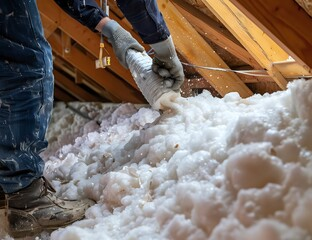
Foam insulation is a material that begins as a liquid mixture and expands into a solid insulating foam after application. As it expands, the foam fills cracks, gaps, and cavities within walls, ceilings, and other structural spaces. This expansion allows the material to create a tight seal that helps reduce heat transfer and air movement.
Unlike some traditional insulation materials that simply sit between framing components, foam insulation adheres to surfaces and forms a continuous barrier. This barrier slows the movement of heat between indoor and outdoor environments while also limiting the flow of air.
Because of these properties, foam insulation is often chosen by homeowners who want to improve temperature stability and reduce energy loss. Although foam insulation may cost more initially than some other materials, many people consider it a long term investment in comfort and efficiency.
Understanding the value of foam insulation begins with understanding how its cost is calculated and what influences the overall price of installation.
Types of Foam Insulation and Their Cost Differences
The type of foam insulation used in a project has a significant impact on the overall cost. Two primary types of foam insulation are commonly used in residential construction.
Open cell foam insulation is one of the more flexible and lightweight options. Its structure contains interconnected air pockets that allow the foam to expand easily and fill large spaces. Because open cell foam uses less material density, it is generally less expensive than other foam options.
Closed cell foam insulation has a denser structure with tightly sealed cells. This density provides higher resistance to heat transfer and adds structural strength to the surfaces where it is applied. Closed cell foam typically costs more than open cell foam because it uses more material and provides greater insulating performance.
While closed cell foam may involve higher upfront costs, it often offers stronger thermal resistance and durability. The choice between these two types of foam insulation depends on the specific goals of the homeowner and the conditions within the building structure.
Selecting the appropriate foam insulation type plays a major role in determining the overall project cost.
Factors That Influence Foam Insulation Cost
Several factors influence the final cost of installing foam insulation. One of the most significant factors is the size of the area being insulated. Larger areas require more insulation material and additional labor time, which increases the overall cost of the project.
The location of the insulation within the home also affects pricing. Insulating an open attic space may be more straightforward than insulating narrow wall cavities or hard to reach crawl spaces. Areas that require additional preparation or special equipment may increase installation costs.
The thickness of the foam insulation is another important factor. Thicker layers provide greater thermal resistance but require more material. As a result, projects that require higher insulation levels may involve higher costs.
The condition of the existing structure can also affect the cost. If old insulation needs to be removed or if air leaks must be sealed before installation, these additional steps may increase the overall project expense.
Each of these factors contributes to the total cost of foam insulation installation.
Labor and Installation Complexity
Labor is another major component of foam insulation cost. Installing foam insulation requires specialized equipment and trained professionals who understand the proper application techniques.
During installation the liquid foam mixture must be applied carefully so that it expands evenly and reaches the desired thickness. Incorrect application can lead to uneven coverage or reduced insulation performance.
Complex installations may require additional preparation and time. For example, areas with numerous pipes, wiring systems, or irregular structural shapes can make the installation process more challenging.
In some homes installers may also need to create access points in walls or ceilings in order to reach certain cavities. After the insulation is applied, these areas must be restored.
These factors can increase the labor portion of the project cost, especially when working in tight or difficult spaces.
Comparing Foam Insulation to Other Insulation Costs
Foam insulation is often compared to other insulation materials when homeowners evaluate project costs. Traditional insulation materials such as fiberglass or cellulose typically have lower initial costs.
Fiberglass insulation is widely used because it is relatively inexpensive and easy to install. It is often available in pre formed sections that fit between framing components. However, fiberglass may leave small gaps where air can still move through the structure.
Cellulose insulation is another cost effective option that can fill irregular spaces when installed as loose fill material. It provides good thermal resistance but may settle over time in certain applications.
Foam insulation generally costs more than these alternatives because of its specialized installation process and higher performance characteristics. However, foam insulation offers the advantage of sealing air leaks while also providing insulation.
For homeowners who prioritize long term energy efficiency and improved indoor comfort, foam insulation may provide value that justifies the higher upfront investment.
Long Term Value and Energy Savings
Although foam insulation may involve higher installation costs, many homeowners view it as a long term investment. One of the main reasons is its ability to reduce heat loss and heat gain throughout the home.
When insulation effectively limits heat transfer and air leakage, heating and cooling systems do not need to operate as frequently. This reduced workload can contribute to lower energy consumption over time.
Foam insulation also tends to maintain its shape and position within wall cavities and other structural spaces. Unlike some insulation materials that may settle or shift, foam insulation remains stable once it has cured.
This durability helps ensure that the insulation continues to perform effectively for many years. As a result, the long term benefits of improved efficiency and comfort may offset the higher initial installation cost.
For many homeowners the long term value of foam insulation becomes an important factor when evaluating overall cost.
Planning for Foam Insulation Installation
Homeowners considering foam insulation should take time to evaluate their insulation needs and goals. Understanding which areas of the home require insulation improvements can help guide the planning process.
Attics, exterior walls, crawl spaces, and floor cavities are common locations where foam insulation may provide significant benefits. Evaluating these areas helps determine how much insulation is needed and what type of foam will be most effective.
Consulting with insulation professionals can also provide valuable insight into the scope of the project. A detailed inspection can identify existing insulation conditions and potential air leakage points that should be addressed during installation.
Careful planning helps ensure that the insulation project delivers the desired results while managing overall costs effectively.
Conclusion
Foam insulation cost is influenced by several factors, including the type of foam used, the size of the project, and the complexity of the installation. While foam insulation may involve higher upfront expenses compared to some traditional insulation materials, it offers unique advantages that contribute to improved energy performance and indoor comfort.
By sealing air leaks and providing strong thermal resistance, foam insulation helps maintain stable indoor temperatures and supports more efficient heating and cooling system operation. Over time these benefits can contribute to improved home performance and greater comfort throughout the year.
For homeowners exploring insulation upgrades, understanding the factors that affect foam insulation cost makes it easier to plan and evaluate the potential value of this insulation option. With proper installation and thoughtful planning, foam insulation can provide lasting benefits that extend well beyond the initial investment.